The application of capillary tube in double glazed units Understanding the Challenges of Elevation Changes in Transporting Insulating Glass Units
The application of capillary tube in double glazed units
11/7/20252 min read
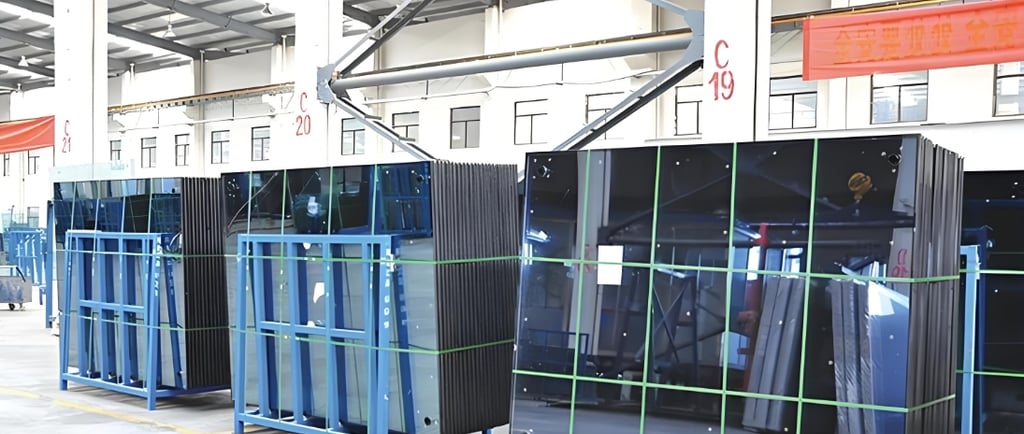
Introduction to Elevation Challenges
Transporting insulating glass units (IGUs) from lower to higher altitudes presents unique challenges that must be understood and managed effectively. As these sealed units travel from areas of higher atmospheric pressure, like Rio de Janeiro, Brazil, to elevated destinations, such as Cochabamba, Bolivia, various factors come into play that could potentially compromise their integrity and functionality. In this discussion, we will explore the impact of elevation changes on IGUs and the vital considerations necessary for maintaining their performance.
The Impact of Atmospheric Pressure
One of the primary challenges encountered when transporting IGUs to higher altitudes is the pressure differential that arises. As an object ascends into the atmosphere, the air pressure surrounding it diminishes. This reduction in pressure can induce stress on the seals of IGUs, which are designed to operate under specific atmospheric conditions. In particular, changes in pressure can lead to a phenomenon known as gas migration, whereby the gases within the IGU’s cavity may either expand or escape, potentially leading to a decrease in thermal performance and a heightened risk of failure.
Managing the Risks of Transporting IGUs
To mitigate the risks posed by elevation changes, proper planning and management during transportation are critical. This includes ensuring that IGUs are properly sealed and pre-conditioned to withstand the anticipated changes in pressure. Moreover, implementing gradual pressure changes during the ascent can significantly reduce the risk of damaging the units. Transportation leaders should also educate their teams on the potential issues associated with the movement of IGUs to different elevations, allowing for proactive measures to be put in place.
The Role of Capillary Tubes
One effective solution to enhance the resilience of IGUs when undergoing significant elevation changes is the use of capillary tubes. These small-diameter tubes are integrated into the design of the IGUs and serve to equalize the pressure differential caused by altitude. By allowing for the regulated flow of gases between the exterior and interior spaces of the IGU, capillary tubes help maintain the optimal environment needed for the structural integrity of the units throughout their journey. This crucial design factor significantly minimizes the likelihood of damage and preserves the overall performance of the glass units.
Conclusion
In summary, understanding the challenges posed by elevation changes is essential when transporting insulating glass units. The pressure differential between low and high altitudes can create numerous complications that, if overlooked, could lead to significant damage. However, by implementing effective management strategies and utilizing enhancements such as capillary tubes, the risks can be effectively mitigated. As the demand for IGUs continues to rise, especially in areas with varying altitudes, it is imperative that stakeholders remain informed and prepared to tackle these challenges successfully.