The Importance of Capillary Tubes in Insulating Glass Units
3/13/20261 min read

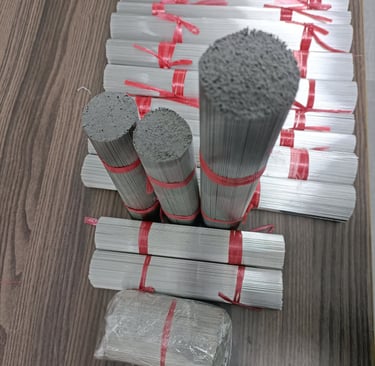
Understanding Capillary Tubes
Capillary tubes, often referred to as breather tubes, play an indispensable role in the functionality of insulating glass units (IGUs). These components are integrated within the spacer frames of IGUs, serving the critical function of equalizing pressure between the sealed panes of glass. This pressure management is crucial for maintaining the integrity and efficiency of the glazing system, thereby ensuring optimal thermal performance and longevity.
Pressure Equalization in Insulating Glass Units
The primary function of capillary tubes is to facilitate a controlled flow of air in and out of the IGUs. As atmospheric conditions change, particularly when there is a significant variation in altitude, internal pressure within the sealed units can rise or fall. For example, shifting from sea level in Rio de Janeiro to the high altitudes of Cochabamba, Bolivia, which stands at an elevation of 2,558 meters, results in drastic pressure changes. These variations can potentially compromise the structural and thermal performance of IGUs, leading to issues such as condensation and reduced insulation capability.
Mitigating Risks with Breather Tubes
To address these challenges, breather tubes provide a channel that enables air to circulate, thus alleviating internal pressure build-up. This function is not merely a convenience; it plays a vital role in preventing potential damage to the glass and sealant materials. Without capillary tubes, the risk of failure increases, especially under extreme conditions where sudden pressure changes are encountered. Ultimately, the installation of these tubes contributes significantly to the durability and operational efficiency of insulating glass units.
In conclusion, understanding the importance of capillary tubes within insulating glass units is essential for recognizing their role in enhancing building performance. By facilitating pressure equalization, these components help mitigate internal pressure fluctuations that can arise from altitude changes and environmental factors, ensuring that IGUs maintain their intended functionality over time.