Understanding the Importance of Capillary Tubes in Shipping Windows Across Altitudes
2/3/20261 min read
The Role of Capillary Tubes in Pressure Equalization
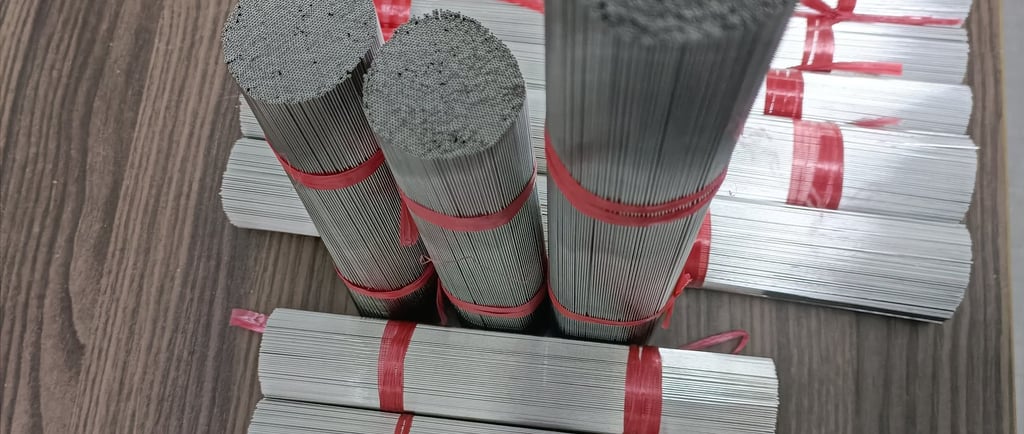
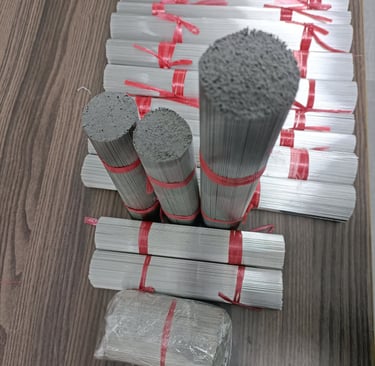
When shipping windows across diverse altitudes, such as moving units manufactured in the Chicagoland area (a low elevation) to high-altitude cities like Denver, Flagstaff, Arizona, Cusco, Peru, or La Paz, Bolivia, the need for pressure equalization becomes paramount. To ensure the integrity of these windows during transit, capillary tubes are strategically inserted into the spacer frame.
Preventing Pressure Differentials
Capillary tubes play a critical role in managing the effects of pressure differentials that arise due to the varying altitudes. As windows ascend to higher elevations, the external atmospheric pressure decreases. Without these tubes, the internal pressure of the insulating glass unit (IGU) may exceed that of the outside environment. This discrepancy can lead to significant structural concerns, as the panes may begin to bow outward into a pillow shape.
Avoiding Seal Failure and Glass Fractures
Without proper pressure management facilitated by capillary tubes, the risk of severe pressure gaps increases. Such gaps can result in glass fractures or sealant ruptures, ultimately leading to premature seal failure and a compromised insulation effectiveness. The implementation of these tubes not only guarantees a safer installation process but also enhances the durability of windows intended for high-altitude locations.
In conclusion, the strategic insertion of capillary tubes into window spacer frames is not merely a technical aspect but a vital measure to ensure the longevity and functionality of windows across various elevations. Understanding these factors can significantly improve the shipping and handling practices of windows in high-altitude environments.